4 min read
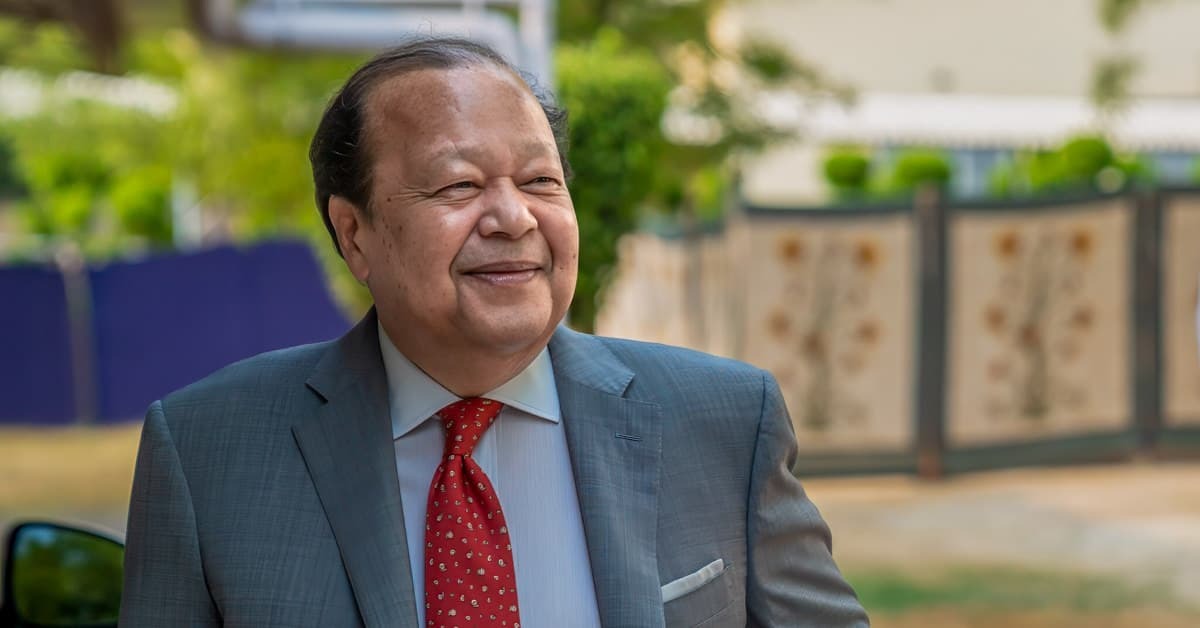
From Bologna to four satellite cities, people gathered in person and online as Prem Rawat invited audiences to look beyond ideas about peace and experience it for themselves.
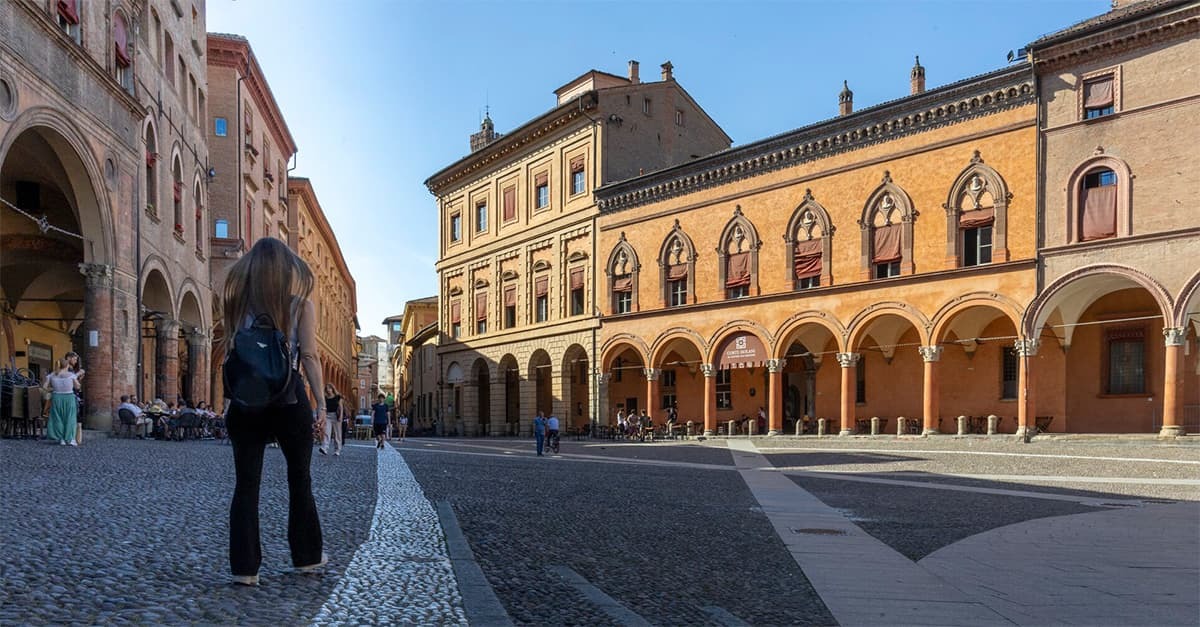
In the months leading up to Prem Rawat’s groundbreaking June 20th event in Bologna, public readings of his book “Breath: Wake Up to Life” sparked unprecedented enthusiasm in communities across Italy.
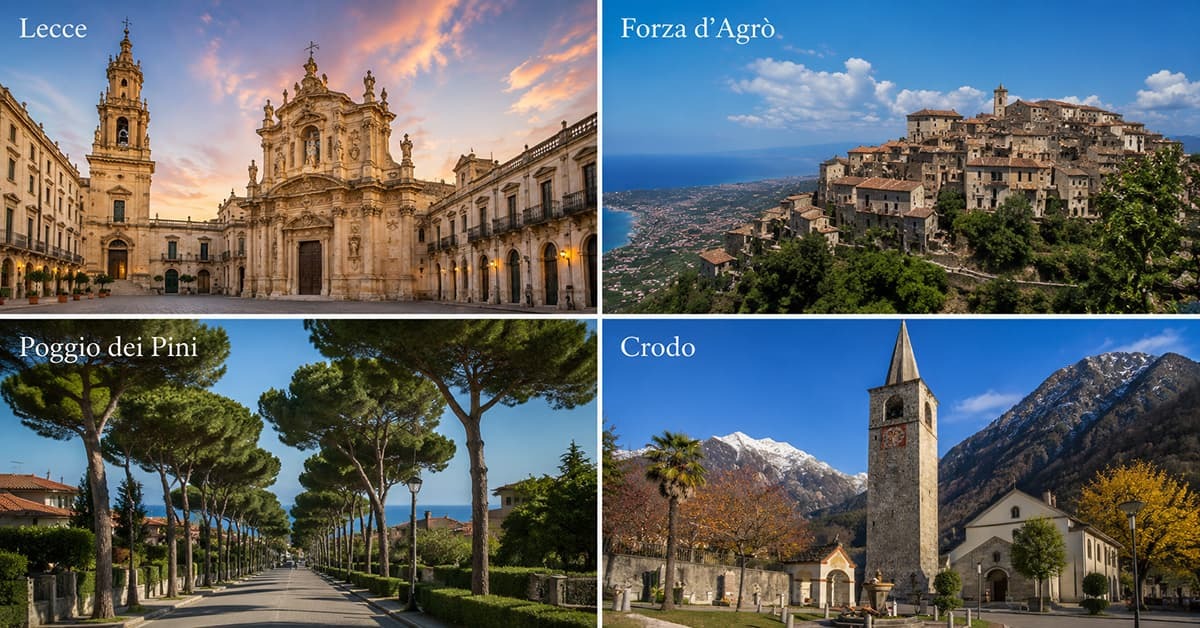
From the baroque streets of Lecce to a Sicilian hill town, from a Sardinian cultural center to a village nestled in the Alps, local organizers, librarians and civic leaders who knew little or nothing about Prem Rawat gathered together at community gatherings to learn more about his perspective and how he helps people connect with the peace that is already within them.
Their appreciation of Prem Rawat’s book reflected a shared desire to understand more about what it is that all people share in common that transcends politics, religion and geographical borders. And it was the heartfelt enthusiasm and genuine interest of the people in these remote locations that inspired Prem to suggest that those four cities — Lecce, Forza d’Agrò, Poggio dei Pini and Crodo — join the Bologna event via livestream on June 20th. The impact? It transformed the evening into a widespread celebration of connection, hope and inner peace.

Event coordinator, Sylvia Ficini, provides the backstory which led up to Prem Rawat being invited to speak in Bologna. (2:03)
How Prem Rawat Captivated More than 50,000 People
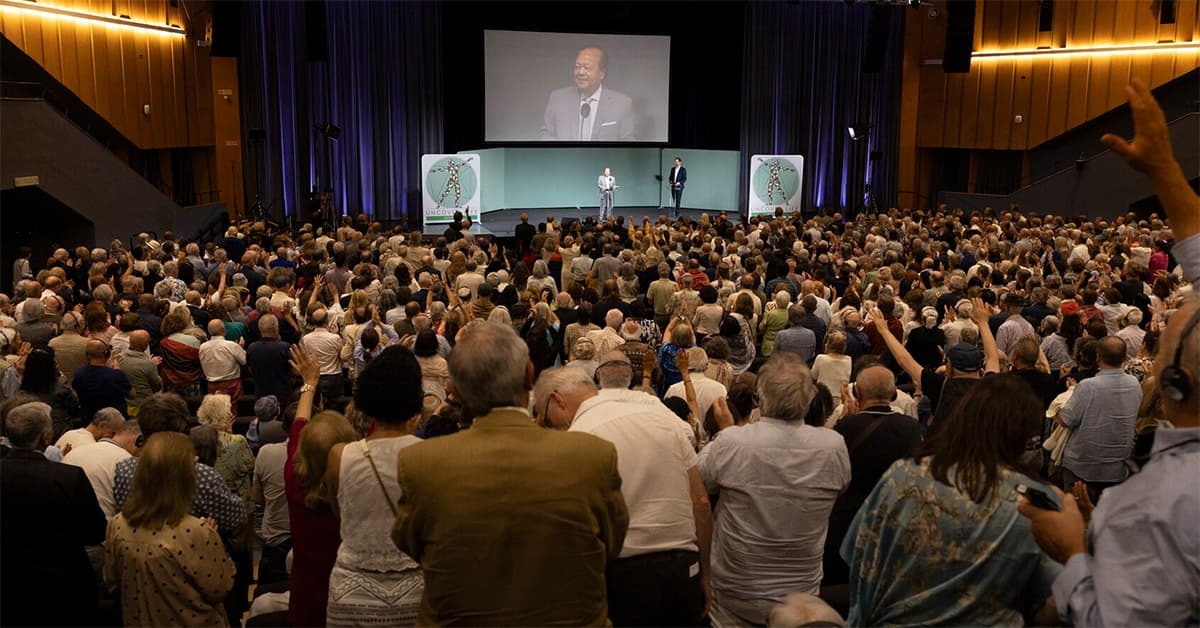
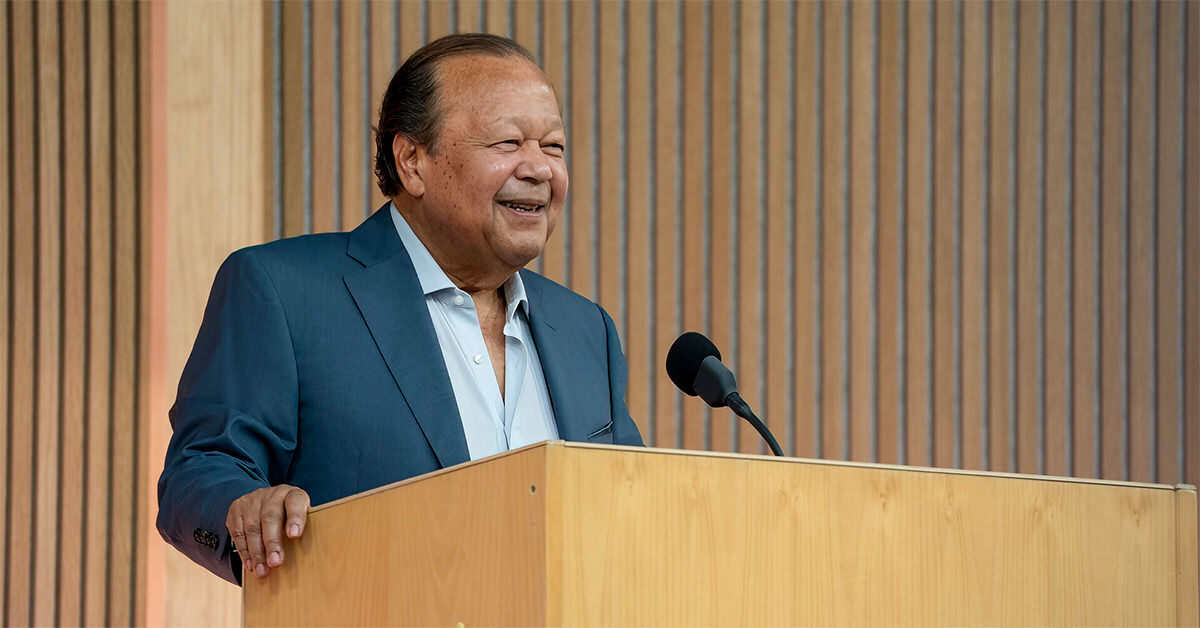
Speaking to an onsite audience of 1,600 and more than 50,000 via livestream, Prem Rawat explored one of humanity’s simplest and most misunderstood subjects: peace.
Although everyone knows the word, he explained, few people truly know what it is through their own direct experience — not as a theory or concept, but a reality to be felt.
Throughout the evening, Prem Rawat invited the audience to look beyond their lifelong assumptions and beliefs, encouraging them instead to experience, for themselves, the reality of the peace within themselves.

Excerpt from Uncover Life with Prem Rawat, Bologna, June 20 (1:03)
Seeing Only Part of the Picture
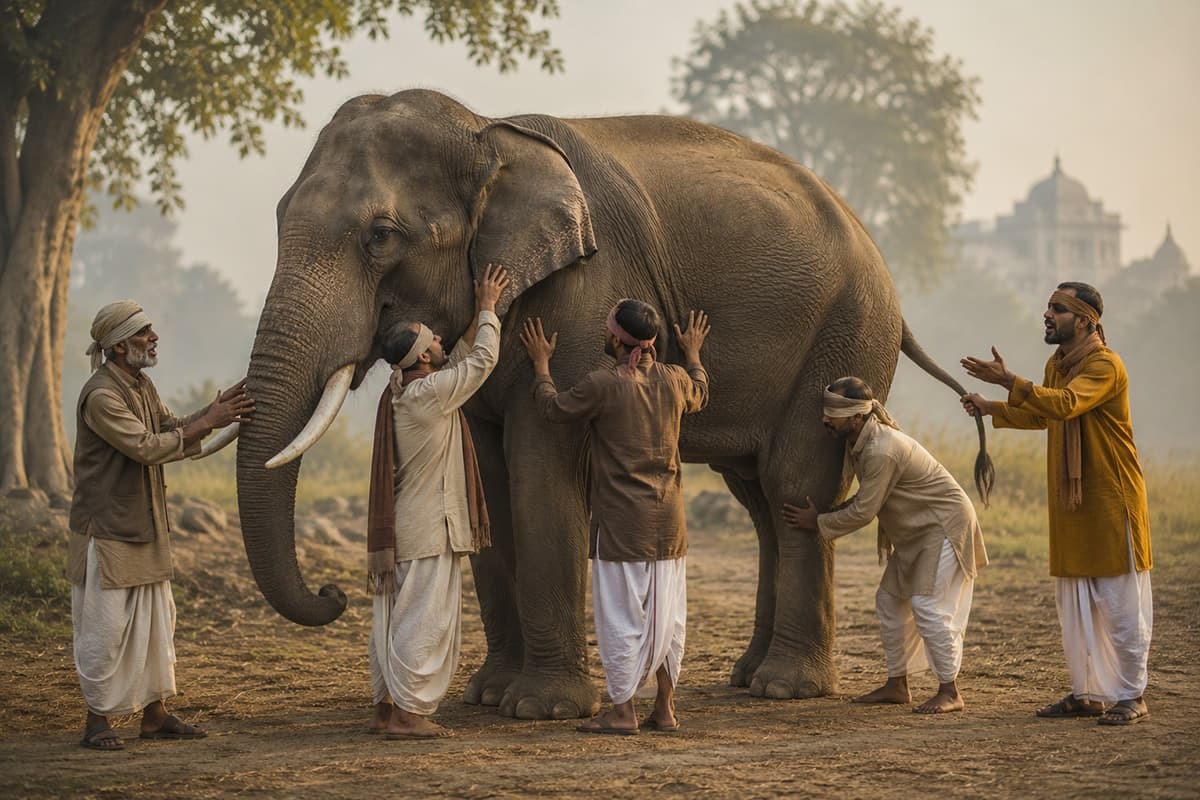
To illustrate how easily people mistake partial understanding for complete knowledge, Prem Rawat told the classic story of five blind men encountering an elephant for the first time. Each touched a different part of the animal — the trunk, tail, leg, ear and tusk — and each became convinced that what he touched represented the whole elephant.
Unable to reconcile their different experiences, the five blind men argued, each believing he alone was right. Sound familiar?
The story served as a compelling reminder that human beings often approach peace in much the same way. We form opinions based on our limited experience and then tenaciously defend our opinions, while the larger reality remains undiscovered.
True understanding, Prem Rawat suggested, comes not through assumptions and debate, but through inner knowing.

The Search that Leads Inward
These days, modern life encourages most people to look outward for solutions. New technologies promise to optimize our life — making it easier, faster, and more connected.
While appreciating the remarkable advances humanity has made, Prem Rawat observed that no technology can provide what everyone is ultimately searching for — the authentic experience of fulfillment.
“Technology is not the human solution because technology comes from humans.
And all the mistakes that humans are famous
for are embedded in technology.”
— Prem Rawat
Making Room for Something New
One of the evening’s recurring themes was humility.
Using the simple image of a full bucket, Prem Rawat explained that nothing new can be added until there is room to receive it. In much the same way, experiencing real peace begins with the willingness to admit that perhaps we do not yet fully understand it.
“The only true wisdom is in knowing you know nothing.”
— Socrates
Rather than seeing humility as a weakness, he described it as an act of courage. The strongest person, he noted, is the one who can honestly say they don’t know.
“It takes a great person… a strong person, a brave person, an intelligent person to say, ‘I don’t know, but I want to know. Can you show me? Can I experience peace! Can I experience joy?’”
— Prem Rawat
Joy That Doesn’t Depend on Circumstances
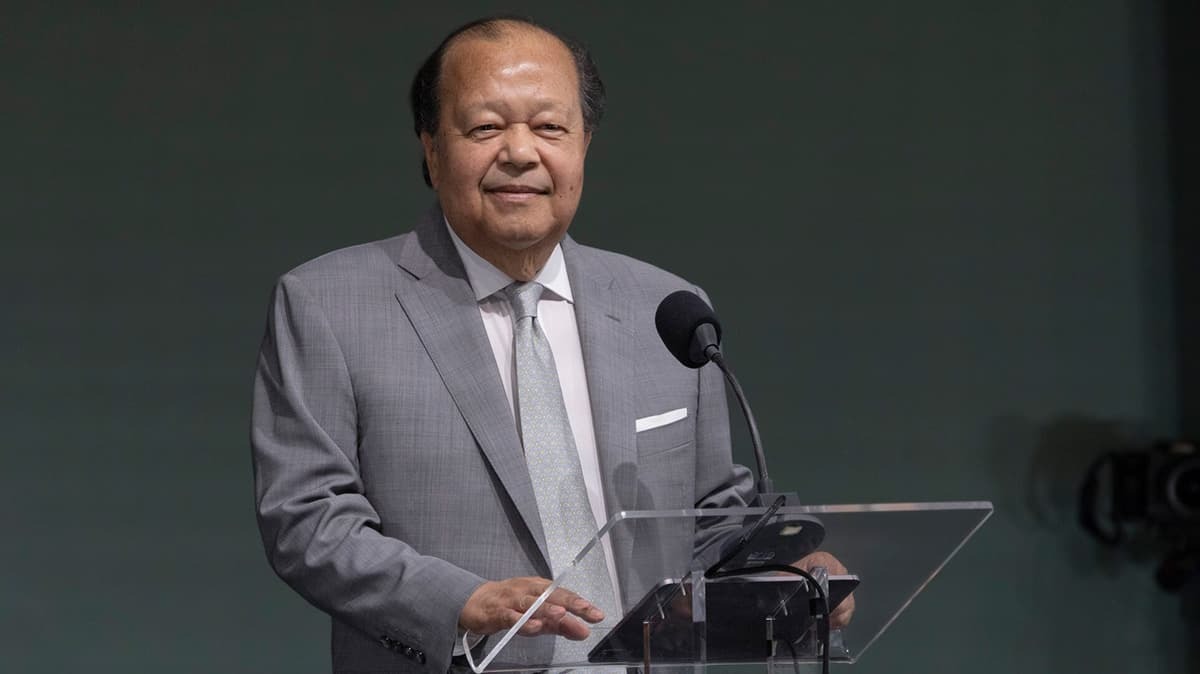
In his Bologna presentation, Prem Rawat also made the distinction between happiness and joy, two experiences that people often assume to be the same thing.
Happiness, he explained, often depends on events going our way, getting what we want and when we want it. Joy, however, is different. It’s an experience that remains present even when the changing circumstances of our lives are difficult.
Joy is not circumstantial. It is not conditional. It is not a function of our ability to orchestrate the particulars of our life. On the contrary, it arises from something much deeper inside of us — an underground spring of life-giving energy, not a few geysers bubbling up to the surface of our life.
It’s a state of being, not a state of mind.
Remembering the Good
Reflecting on the preciousness of life, Prem Rawat reminded the audience that each human journey begins with a single breath — a gift so constant it is easily overlooked.
During his talk he illustrated another timeless lesson with the story of a monk who wrote an insult in the sand, allowing the wind and waves to erase it, but carved an act of kindness into stone so it would endure.
The story’s message was simple: let life’s hurts pass away but remember its kindnesses. What deserves to last in our hearts is not disappointment or resentment, but gratitude, goodness and the countless reminders of what is best in our humanity.
The Strength of Wanting Peace
Drawing from his ongoing work with participants in the Peace Education Program — including prisoners, students, soldiers and people in hospitals and hospices — Prem Rawat reflected on a common misunderstanding that often colors our outlook of life.
Many people see the longing for peace as a weakness. He sees it differently.
The desire for peace, he explained, is one of our greatest strengths. The longing for joy, understanding and self-knowledge reflects something very deep — what makes us human beings, not just human doings. Rather than denying that innate longing, we can make the choice to embrace it.
Wrapping up the evening, Prem Rawat returned again to a recurring theme of his presentation: peace begins with ourselves. By recognizing the gift that is already present within us and by responding to it with kindness, honesty and openness, each person can begin the journey toward a more content, fulfilled and joyful life.
Q&A from the Four Satellite Cities
One of the innovative aspects of the Bologna event was the way in which people from four different cities throughout Italy had an opportunity to participate via a Q&A session.
It was during this lively dialogue that Prem Rawat emphasized how the deepest aspects of life cannot be understood through definitions alone — they must be experienced.
Responding to a question about authentic happiness, he explained that just as the taste of a mango or ice cream cannot truly be described, neither can peace or happiness. They are realities that each person must discover and experience for themselves.
When asked how people can remain open to peace when the world seems unsupportive, he noted that the world has never been a reliable source of lasting fulfillment. Rather than depending on external circumstances, he encouraged people to recognize the one person who is always capable of providing help: themselves.
Artificial Intelligence and Human Understanding
Addressing a question about artificial intelligence and its influence on truth and human understanding, Prem drew a clear distinction between technology and human wisdom. He noted that AI is a useful tool when used appropriately, comparing it to any other technology that serves a practical purpose. However, he cautioned against relying on it for answers to life’s deeper questions or allowing it to replace human discernment.
Technology can assist with specific tasks, he said, but it cannot substitute for direct experience, wisdom or self-knowledge.
When someone from one of the satellite cities asked how to distinguish the authentic inner voice from the voice of the ego, Prem suggested paying attention to the direction each voice leads. A voice that creates greater confusion, complication or harm is not one to follow, while the voice that points toward clarity, solutions and self-discovery deserves attention.
Rather than looking to distant influences to determine one’s destiny, he encouraged people to recognize the “stars within” — the inner light and wisdom already present inside every human being.
“Wanting joy in your life is your strength, not your weakness. Wanting knowledge in your life is your strength, not your weakness. Discovering peace within is your strength, not your weakness. And the day you accept that? The day you understand that? Peace will come looking for you.”
— Prem Rawat
Courtesy of TimelessToday® (1:45:21)
Looking Ahead as Well as Inside
Given the success of the Bologna event and the innovative ways in which it brought thousands of people together to focus on peace, plans are currently underway to try something similar in India at the three-day 60th anniversary celebration (July 31 – Aug. 2). In Italy, special local events are already planned for late September and early October.
Stay tuned! Updates will be forthcoming on PremRawat.com.
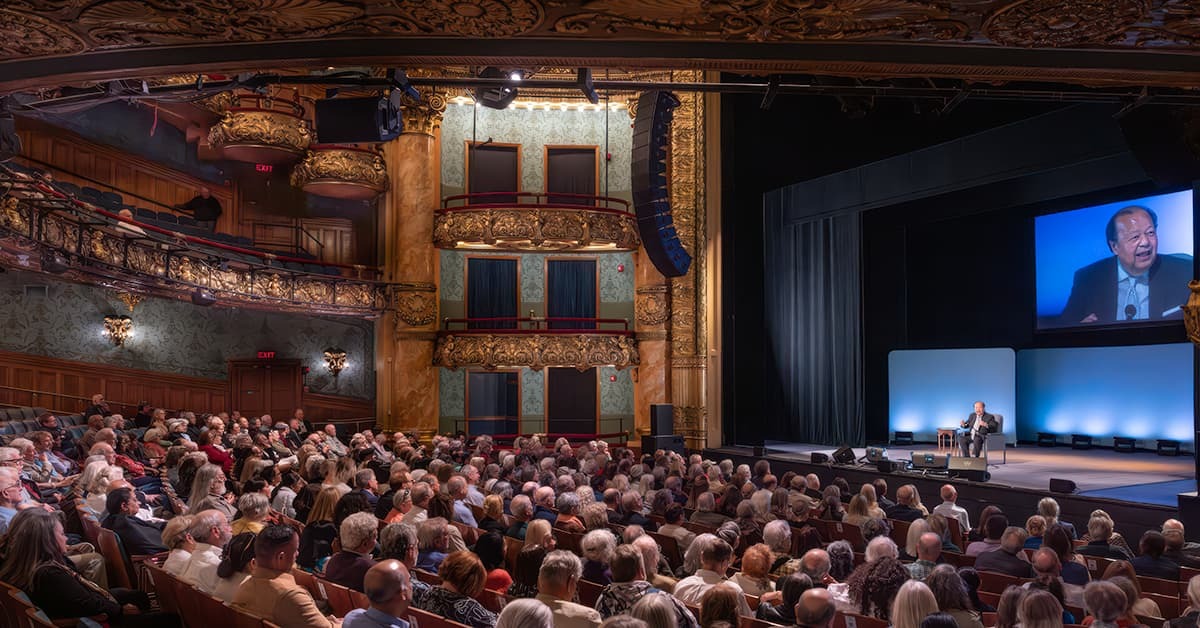
An Evening of Peace, Reflection and Music with Prem Rawat in Boston
On May 16, 2026, Prem Rawat shared an inspiring evening in Boston of reflection, music and insight, exploring inner p...

A Simple Truth in a Complex World: Prem Rawat’s Message from Barcelona
At the Uncover Life event in Barcelona, Prem Rawat shares a timeless message on discovering true inner peace in a com...
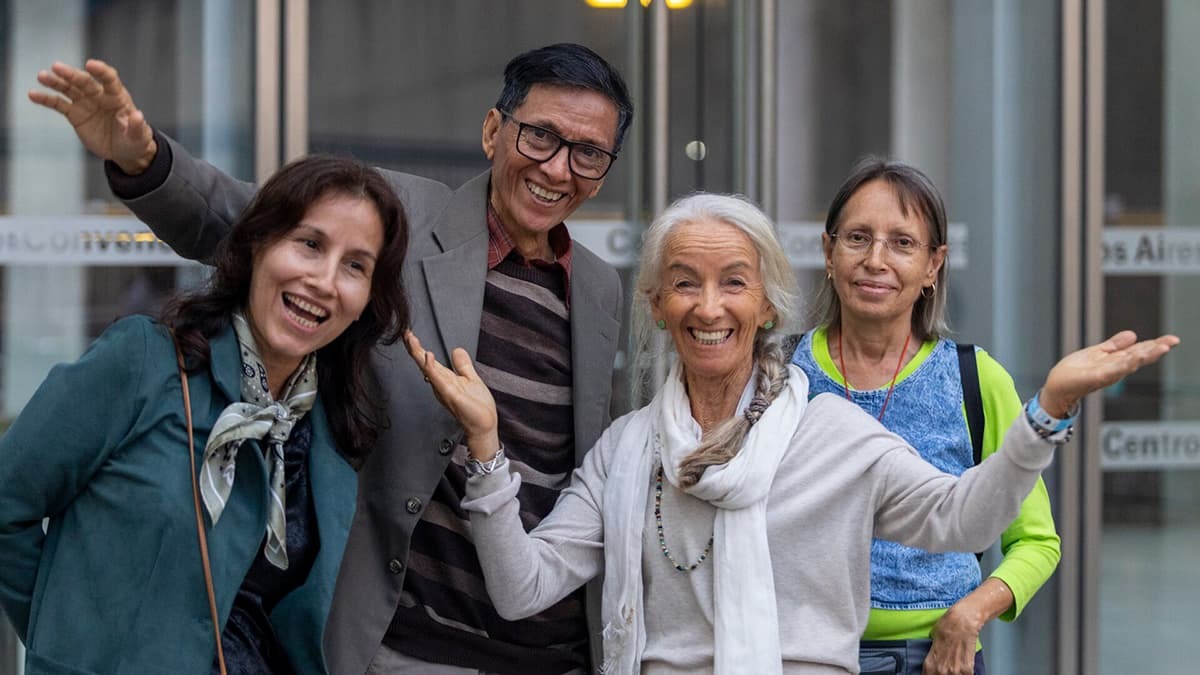
Uncover Life: A Global Gathering in Buenos Aires
Discover highlights from “Uncover Life” Buenos Aires 2026, a global event with Prem Rawat focused on inner peace,...
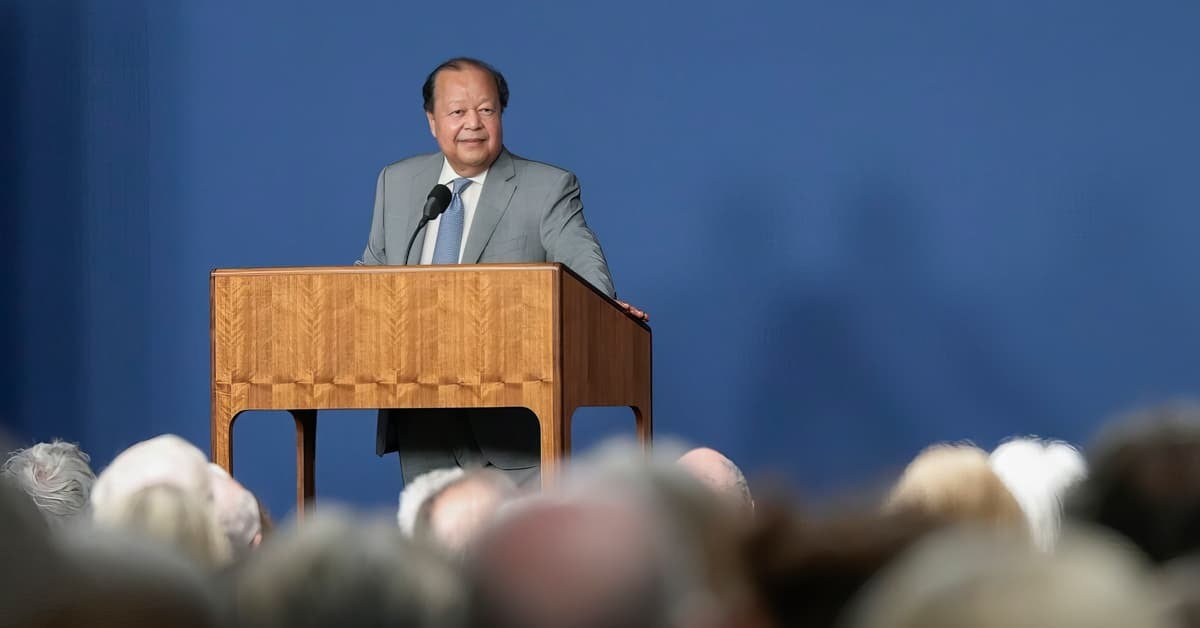
An Evening of Peace and Reflection: Prem Rawat in Fort Lauderdale
Prem Rawat in Fort Lauderdale: Discover inner peace, the power of breath, and the divine within—transform fear into...
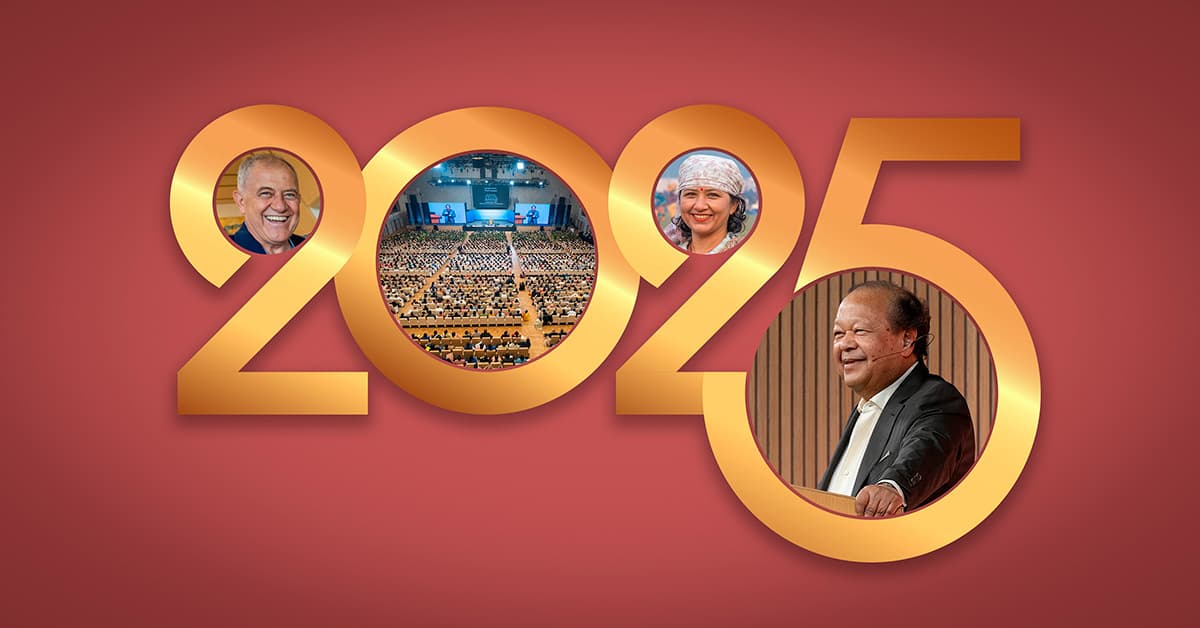
Prem Rawat’s 2025 Year in Review
A summary of Prem Rawat’s events, travels and initiatives in 2025. During the year, he logged more than 82,000 mil...

Highlights from Prem Rawat’s Recent Events in India
Prem Rawat recently concluded a highly successful series of events in India. The tour began with Hans Jayanti, an ann...
A Joyful Celebration of Peace: Hans Jayanti 2025
On Nov. 8-9, thousands of people around the world will celebrate the birth and life of Shri Hans Ji Maharaj, the fath...
Being at Amaroo: Journal entries from one of the 2,388 attendees
Highlights from an onsite journal kept by one of the 2,388 students of Prem Rawat who attended his Sept. 8-12 event ...

Prem Rawat’s World Tour Continues
Learn about Prem Rawat’s recent public events in the following cities: Barcelona, Bologna, Ljubljana, Munich, Londo...

Amaroo 2025: The Upside of Down Under
In September, at Ivorys Rock in Australia (Amaroo), Prem Rawat will be meeting with approximately 2,000 students of h...
Tour de Force: Prem Rawat’s Recent Global Events
Learn about Prem Rawat’s recent public events in the following countries: Malaysia, India, Nepal, Taiwan, Japan a...
How Words of Peace Supports Prem Rawat’s Global Mission
Prem Rawat’s global events and outreach
initiatives are supported by the efforts of a charitable foundation (...